
Leave Your Message


In the contemporary interior design and home organization sector, the boundary between utility spaces and recreational zones is blurring. Modern urban housing demands highly efficient, multi-functional layout strategies. Nowhere is this trend more prominent than in the evolution of the laundry room. Historically treated as a strictly utilitarian, hidden-away space for washing machines and detergents, today’s laundry rooms are being reimagined as centralized home hub zones. They frequently double as utility rooms, craft corners, mudrooms, and crucially, secondary toy sorting and organization spaces.
This paradigm shift has driven global demand for specialized storage units, specifically the Stackable Toy Storage Box Kids Lego Toy Storage For Laundry Room Sorting And Organization. Integrating children's toy storage—particularly complex, multi-piece playsets like Lego bricks—into a laundry room layout offers unexpected operational advantages. Laundry rooms are naturally designed with durable, easy-to-clean flooring and countertops, making them the perfect containment zone for messy sorting tasks that parents prefer to keep out of formal living rooms or carpeted bedrooms.
According to recent global home storage market reports, modular and stackable storage products have experienced a 14.5% year-on-year market growth. Consumers are prioritizing vertical space utilization and eco-friendly material choices over traditional static plastic shelving units.
Traditional toy boxes are often deep, cavernous pits where small items like Lego pieces, action figures, and puzzle parts get lost at the bottom. This leads to frustration for children and disorganized clutter for parents. Stackable storage systems, conversely, utilize vertical space, allowing for categorization by color, size, or set type. When applied to the laundry room, stackable toy storage boxes serve a dual purpose: they can store toys on lower levels accessible to children, while upper levels can safely store laundry essentials, detergents, or delicate garments out of reach.
Furthermore, the material construction of modern storage bins has shifted. High-grade felt, oxford fabric, and sustainable bamboo are replacing cheap, brittle plastics. Felt, in particular, has emerged as a premium material choice. It is soft to the touch (preventing scratches on delicate laundry room cabinetry or children's hands), lightweight, exceptionally quiet when rummaging through (dampening the loud, clattering sounds of Lego bricks), and offers an aesthetic warmth that complements modern Scandinavian or minimalist interior design styles.
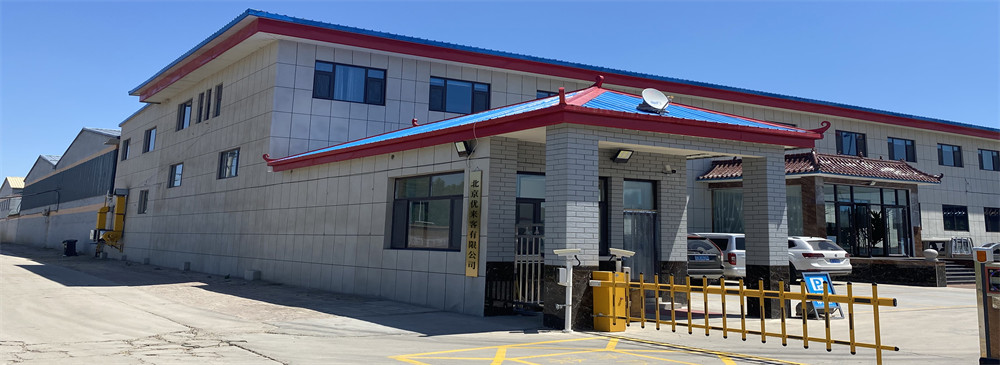
Ulike is one of the biggest manufacturers of felt products. Our main business focuses on felt materials, acoustic panels, wool dryer balls, felt baskets, felt laundry hampers, and a comprehensive range of custom felt storage products.
We are fully audited and compliant with international management systems, holding certifications including BSCI, ISO9001, and RWS (Responsible Wool Standard). This ensures that every order processed by Rolking is eco-friendly and produced under ethical working conditions.
Operating with 9 advanced production lines and over 80 skilled workers—most of whom possess more than 10 years of specialized manufacturing experience—we guarantee fast lead times, strict quality control, and superior durability for all our storage products.
Lego sorting is a notoriously difficult task. With thousands of tiny, colorful pieces, standard storage bins fail to keep them organized. A stackable toy storage box system designed specifically for Lego sorting utilizes shallow, wide drawers or bins. This allows children to easily view their collection without dumping the entire bin onto the floor. When placed in the laundry room, this system integrates into a wider household organization strategy.
For instance, during weekly cleaning routines, parents can easily wipe down the waterproof surfaces of fabric or plastic bins. The laundry room sink serves as a convenient washing station for sanitizing dirty plastic toys, which can then be dried and immediately sorted back into their respective stackable bins located right next to the washing machine. This creates a highly efficient workflow loop: play, wash, dry, sort, and store, all within a single centralized area.
As sustainability becomes a core driver for consumer purchasing decisions, manufacturers are innovating with advanced recycled materials. Oxford fabric, felt derived from recycled PET bottles, and natural wood or bamboo accents are now leading the market. These materials are chosen not only for their low carbon footprint but also for their structural integrity. Felt storage boxes, for example, do not crack under pressure like plastic bins and are naturally breathable, preventing mold or musty odors from developing when stored in humid environments like laundry rooms.
To maximize the utility of a shared laundry and toy storage space, implementing a clear zoning strategy is essential. The concept of "zones" ensures that clean clothes and play activities do not conflict, maintaining hygiene and order. Here is how a typical 3-zone system can be established using stackable toy storage boxes:
Positioned on the lower levels of your stackable storage towers, this zone should feature open-front bins or drawers that children can easily pull out. Color-coded bins or felt drawers with custom labels (such as "Lego Blocks," "Action Figures," or "Craft Supplies") help children identify where toys belong, encouraging them to participate in clean-up time. Using soft felt baskets prevents loud clangs when toys are thrown back in.
This zone utilizes mid-level stackable bins, ideally placed adjacent to the washing machine. These bins can be designated for sorting dirty clothes by color or fabric type. Using collapsible canvas or felt laundry hampers allows you to save space when they are not in use. The proximity to the toy zone means parents can monitor children playing while managing household chores simultaneously.
Located on the highest tier of the stackable system, this zone is reserved strictly for adults. It stores laundry detergents, fabric softeners, cleaning chemicals, and delicate linens. By utilizing the vertical height of stackable storage, you keep potentially hazardous household chemicals completely out of reach of curious children, while maintaining a clean, uniform look throughout the room.
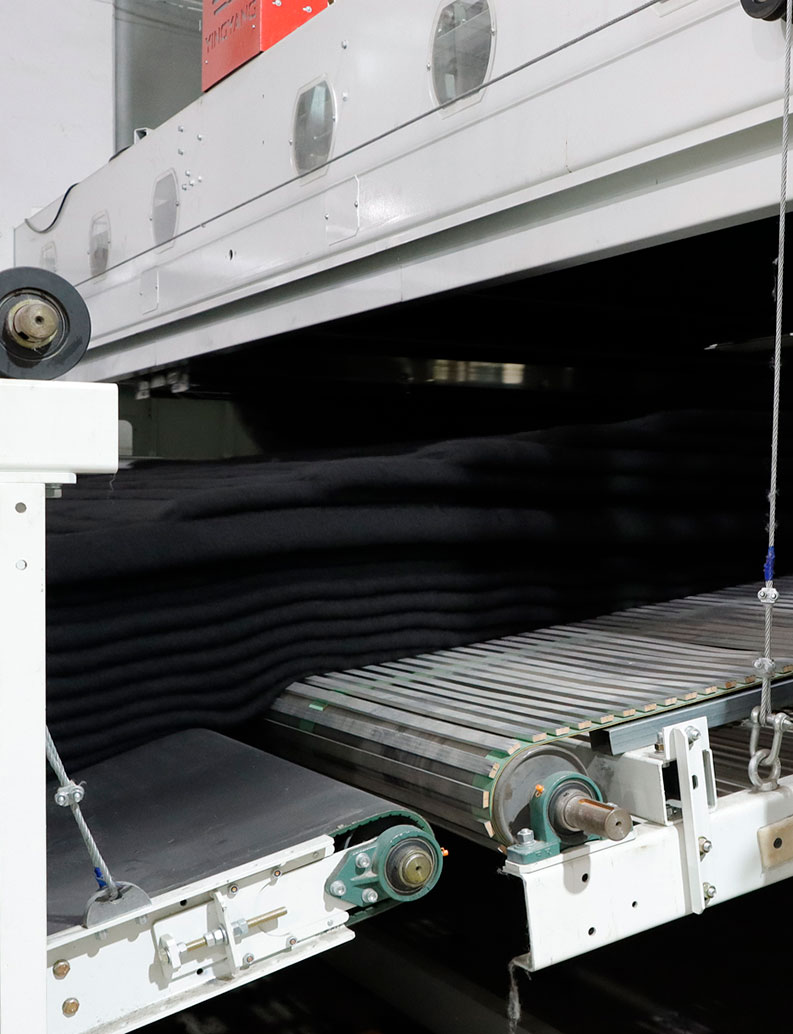
We take pride in delivering top-notch storage products that exceed our customers' expectations in durability, safety, and finish.
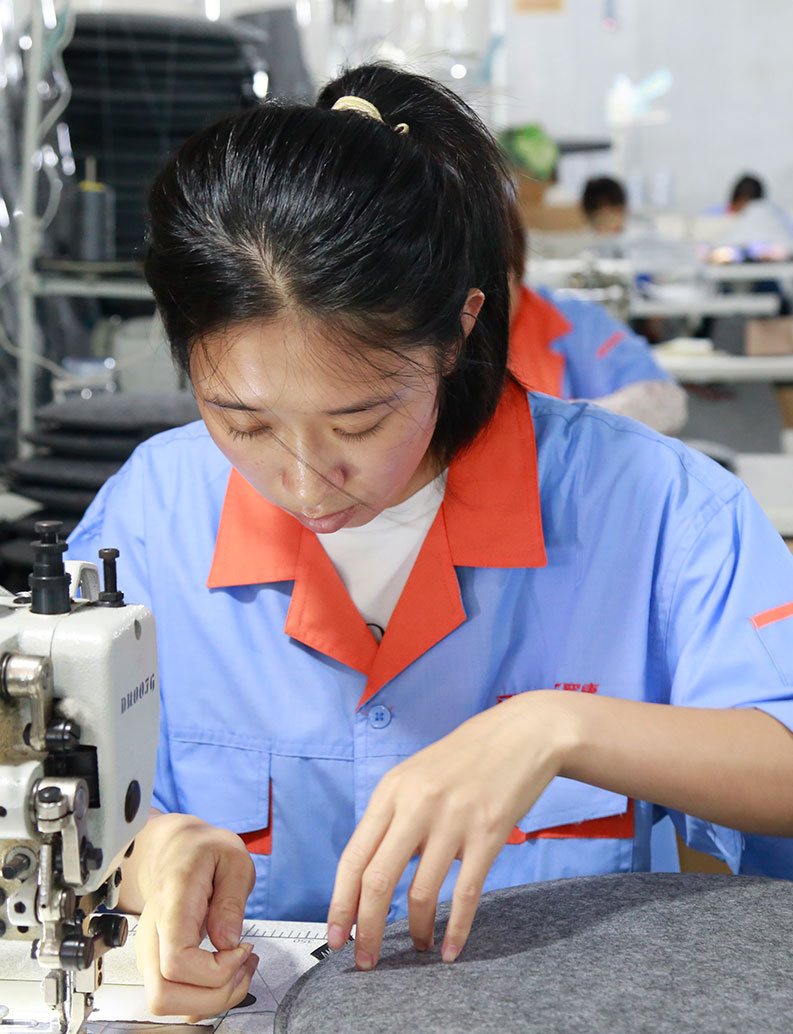
Our team of experts is dedicated to staying at the forefront of storage product innovations, incorporating modern materials and ergonomic designs.
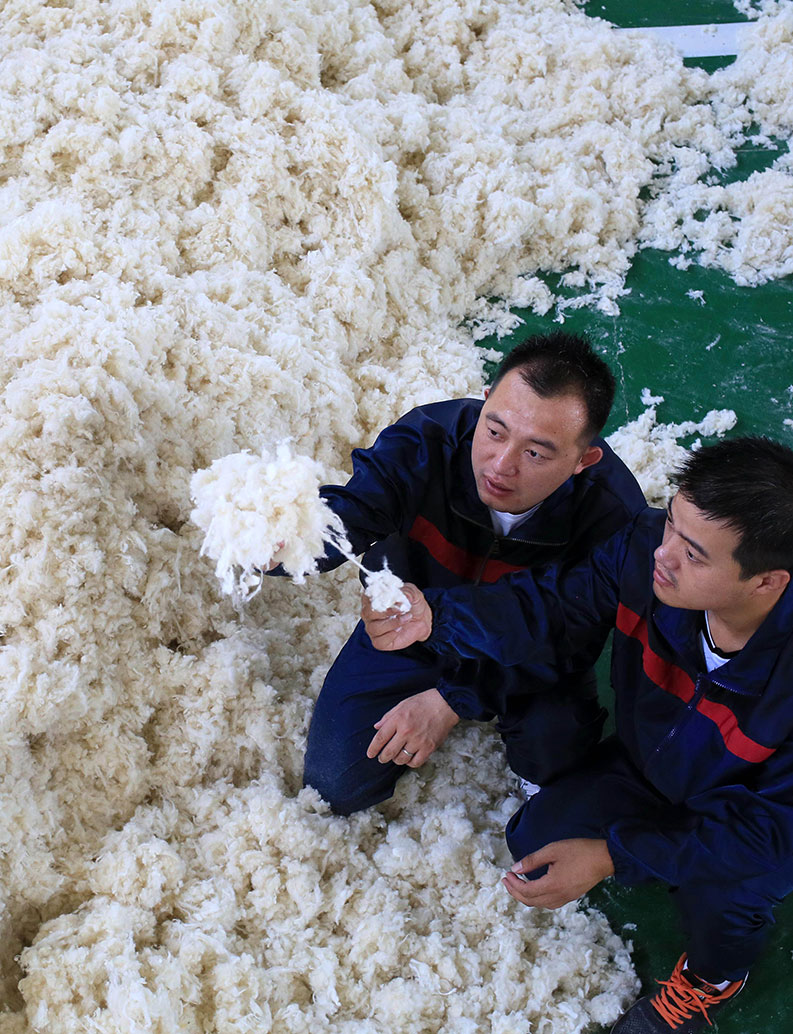
We tailor our manufacturing and design processes to meet the unique storage requirements and aesthetic preferences of our global clients.
Felt is highly durable, lightweight, and soft, which eliminates the risk of sharp edges that could injure children. Additionally, its natural acoustic properties significantly reduce the loud noise of clattering Lego bricks or toys, making the home environment quieter and more peaceful.
By utilizing vertical space, stackable boxes allow you to categorize laundry items (darks, lights, delicates) on one side or level, while storing toys and Lego pieces on another. This dual-purpose utilization keeps the floor clear, maximizes small spaces, and organizes distinct household activities in one compact footprint.
Yes, especially when sourced from certified manufacturers like Ulike. Our products comply with international standards such as BSCI, ISO9001, and RWS. We use eco-friendly felt and fabric materials that are free from harmful chemicals, ensuring they are completely safe for children's toys and clothing storage.
Absolutely. Modern stackable fabric and felt bins are designed with reinforced bases, sturdy side panels, and sometimes internal metal frames. This ensures they maintain their shape and structural integrity even when stacked or filled with heavy toys and laundry items.



 whatsapp